



Localization takes things a step beyond translation. It adapts content to fit the tone, norms, and preferences of different regions. From using the right measurement units to avoiding culturally sensitive phrasing, a localized text feels more professionally adapted to a local market and culture.
Localization involves adapting content to resonate with a specific region, encompassing translation, relevant imagery, and cultural elements that shape how your message is perceived. It’s about crafting your website, user manual or newsletter as if it were designed specifically for that audience. Fully localized content connects with users by integrating cultural nuances, making it feel familiar rather than merely translating English text.
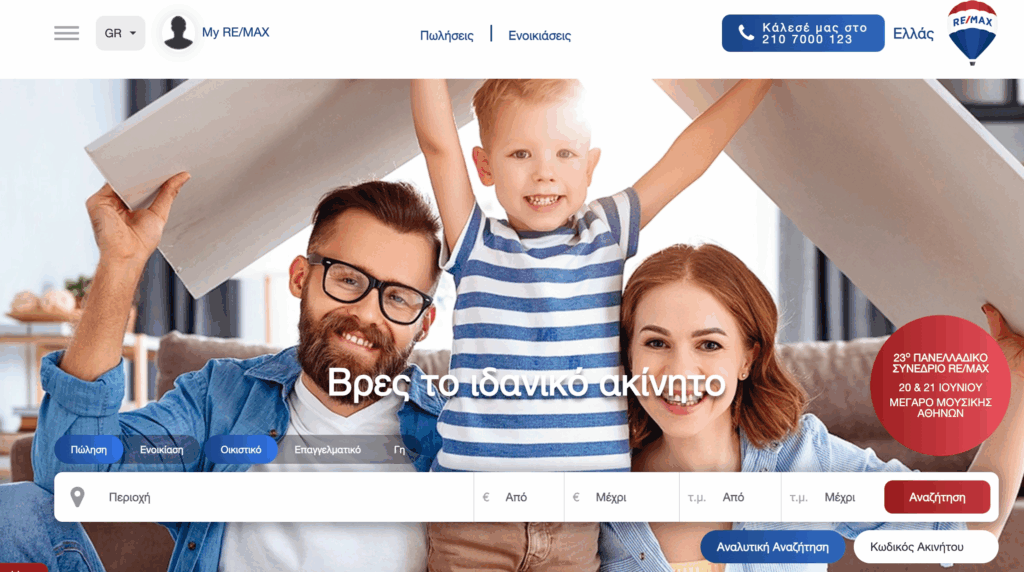
Key aspects of localization include:
– Language: While translation is a key component, it is just the starting point. The transition from the source to target language is only the beginning of the localization process.
– Style: Effective localization considers what resonates with the target audience, focusing on persuasion or education in marketing materials.
– Imagery and Color: Cultural sensitivity is crucial; for instance, gestures that are acceptable in one country may be offensive in another.
– Date, Time, Measurement, and Number Formats: These formats vary not only by location but sometimes even within the same language.
– User Interface: Navigation expectations differ based on cultural context, especially for right-to-left languages like Arabic or Hebrew, which also influences page design.
– Payment Methods: Offering relevant payment options in the correct currency is vital for e-commerce success.
Localization can be complex, especially when addressing unique dialects or regional variations. For example, Continental French and Canadian French have notable differences beyond just spelling and terminology. Hence, it is essential to consider local culture in addition to translation. Therefore, prioritizing localization is crucial for businesses targeting international markets.
When is Localization Needed?
Incorporating localization early in your content creation process simplifies the overall effort. However, for effective localization, you must first undertake internationalization. This foundational step prepares your codebase for multiple languages and formats, including:
– Support for various languages and formats
– Accommodation for local cultural preferences
– Handling of numerical formats and sorting
– Compliance with legal requirements
When planning global expansion, integrating internationalization from the development phase ensures a consistent experience across languages.
As brands go global, linguistic tools like translation memories, glossaries, and style guides become essential for maintaining consistency. Alpha Omega Translations offers a free localization style guide template for all major languages to help establish a unified brand voice across languages.
Localization vs. Translation: Are They the Same?
While translation is a critical element of localization, the two are distinct. For instance, a Chinese website could be translated into English, but if its layout remains tailored for Chinese characters and the products aren’t available for shipping to the U.S., you’d likely look elsewhere.
Translation focuses on converting text from one language to another while preserving the original message. Localization goes beyond mere word translation; it involves understanding the cultural context and linguistic nuances of the target audience.
Real-World Localization Examples
Here are a few notable companies and their localization strategies:
– KFC tailors its menu to suit local tastes, offering items like the Zinger Burger in India and rice dishes in Asian markets. Their marketing campaigns also reflect local culture, such as festive promotions during Lunar New Year in China.
– Facebook customizes its platform by translating the interface into numerous languages, and it also adapts features like advertising to align with local customs and regulations, ensuring relevance across different markets.
– Procter & Gamble (P&G) localizes its product lines and marketing strategies by creating specific campaigns targeting local audiences, such as launching region-specific products like Head & Shoulders with local ingredients in Southeast Asia.
Unlocking New Revenue with Localization
Localization is key to tapping into new markets. By providing your brand’s experience in a familiar language, users are more likely to engage and make purchases. For instance, eBay reported a significant increase in international sales after localizing its website and marketing strategies for various countries, allowing them to better connect with local buyers. Additionally, Spotify saw a substantial rise in its user base in non-English speaking countries after tailoring its content and playlists to fit local musical tastes and preferences.
Choosing a Localization Partner
Navigating the complexities of localization can be challenging. Without the right partner, you may find yourself overwhelmed with managing multiple languages and freelancers. However, with the right tools and strategies, brands can transform localization from a cost center into a revenue generator.
Alpha Omega Translations streamlines the localization process by integrating with your content management system, facilitating seamless translation and communication with assigned translators. Our cloud-based Translation Management System offers transparency and efficiency for global content delivery.
Simplify Localization with Alpha Omega Translations by contacting one of our experts today to learn how Alpha Omega Translations can help your brand thrive globally.