


If your goal is to introduce your content to international viewers, subtitling offers numerous benefits. It is arguably the most accessible method for adapting material for non-native speakers, providing complete context for audiences regardless of the language being spoken onscreen.
Moreover, subtitles enhance the overall accessibility of your content. Even with high-quality dubbing, viewers who are hard of hearing may miss out on the experience. Subtitling ensures that all viewers can engage with the material.
In many cases, subtitles help preserve the authenticity of the original work. By opting for subtitles instead of dubbing, the original voice of the actors remains intact. Just because a viewer does not understand a foreign language does not mean they cannot appreciate the subtlety of an actor’s performance. Dubbing can sometimes falter, failing to convey the intended tone or emotion of a line effectively.
Additionally, many dubbing scripts are often heavily altered to match the actors’ lip movements, which can further detract from the original dialogue’s intent. Many dubbing scripts are often heavily modified to align with the mouth movements of the actors on screen. This adaptation can result in dialogue that omits critical information, diluting the original narrative. In contrast, when you watch a film or television show with subtitles, you experience it in a more authentic form.
Subtitles also offer significant advantages for language learning. Many viewers prefer subtitles over dubbing for this reason, as they provide an opportunity to improve foreign language skills. Moreover, incorporating subtitles can enhance the SEO performance of online content; more text associated with your video gives search engines more context to index.
The Drawbacks of Subtitles
While subtitles offer many benefits, they do present some challenges. Although they can provide a more genuine viewing experience, subtitles can also detract from immersion. An abundance of on-screen text can be distracting for audiences, especially since subtitles typically appear at the bottom of the screen. In dialogue-heavy scenes, viewers may find themselves reading more than watching, which can significantly impede engagement with the visuals.
Subtitles generally perform well in static scenes with minimal action. However, during fast-paced sequences or heated exchanges, the pacing can suffer. Even if viewers manage to read through the subtitles, they may struggle to keep up with the on-screen action.
Another consideration is the issue of language pairs and text expansion. Text expansion is a common challenge in translation projects, particularly with subtitles. If the target language requires significantly more words than the source language, subtitles can crowd the screen. While abbreviating text offers a potential workaround, it often comes at the expense of meaning and context.
The Subtitling Workflow
Ideally, subtitling work should commence only after the video is completed. Whether it’s a feature film or training video, it is significantly easier for subtitlers to work with a finalized version. This version should include a complete audio track, correct frame rate, and any necessary on-screen titles. Additionally, all video and audio editing should be finalized prior to subtitling.
With these elements in place, subtitlers can make informed decisions that enhance the quality of the subtitles. Any subsequent edits made after this point can hinder the timing and pacing necessary for effective subtitling.
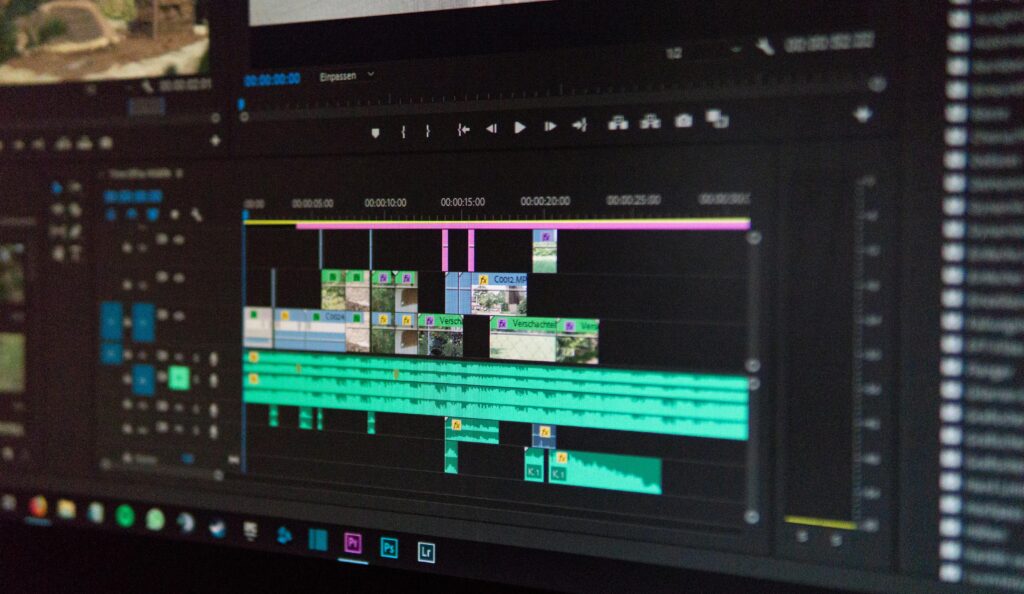
The first phase of the subtitling workflow is typically called “spotting.” During this stage, the in and out times for each subtitle are determined to synchronize them accurately with the audio. Factors such as shot durations and transitions also play a critical role in this process.
Following the spotting phase, transcription services are employed. Once the source language dialogue has been captured, it can then be translated. Depending on the specific guidelines, subtitlers may enjoy some creative freedom when adapting the text for subtitles. Cultural references might require localization, and certain sections may need to be condensed for improved readability.
Overall, effective subtitling demands careful consideration and a structured workflow to ensure that the viewer receives an engaging and informative experience.
Additionally, many dubbing scripts are often heavily modified to align with the mouth movements of the actors on screen. This adaptation can result in dialogue that omits critical information, diluting the original narrative. In contrast, when you watch a film or television show with subtitles, you experience it in a more authentic form.
Subtitles also offer significant advantages for language learning. Many viewers prefer subtitles over dubbing for this reason, as they provide an opportunity to improve foreign language skills. Moreover, incorporating subtitles can enhance the SEO performance of online content; more text associated with your video gives search engines more context to index.
After completing the translation and initial corrections, a more comprehensive review of the subtitles can take place. This phase focuses on assessing timing and allows for any final adjustments or omissions before the subtitles are finalized.
Contact Alpha Omega Translations at info@alphaomegatranslations.com today to discuss about your subtitling needs