

While the popularity of subtitles is on the rise, many content creators still prefer dubbing. Dubbing is often regarded as the optimal choice for enhancing viewer engagement; by eliminating large blocks of text on the screen, viewers can remain focused on the action unfolding before them.
Moreover, it’s essential to recognize that not all viewers are proficient readers. Some may struggle to understand specific words even in their native language, while others might take longer to read a single line of dialogue. By opting for dubbing, you ensure that all viewers can follow along without the risk of losing context.
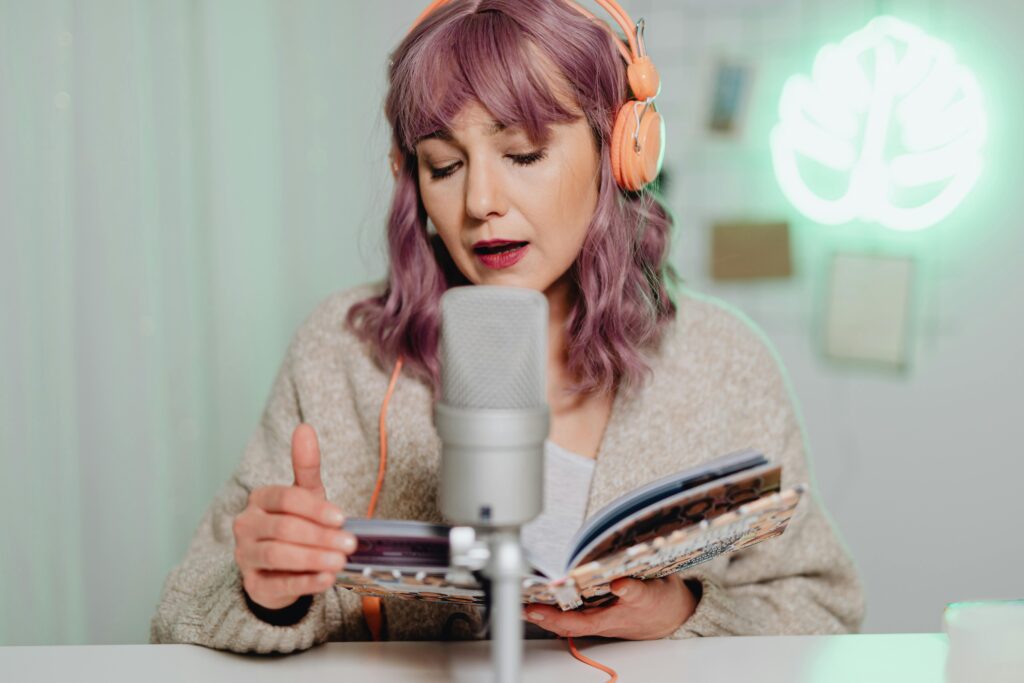
A skilled voice-over performance can significantly elevate video content. While subtitles preserve the authenticity of original performances, well-executed dubbing can achieve similar results. To accomplish this effectively, it’s critical to work with experienced voice talent. A talented voice-over artist goes beyond merely reading translated lines; they embody the character and convey a personality. When a voice-over artist successfully captures this, a full range of emotions can be expressed through dubbing.
Furthermore, dubbing can help navigate issues of cultural sensitivity and censorship. Original audio content may include controversial phrases or strong language. Although subtitles can be adjusted for sensitivity, using symbols or asterisks can be distracting and disrupt immersion. With dubbing, inappropriate words can be simply muted or replaced with more culturally appropriate alternatives.
The Downsides of Dubbing
Although dubbing is frequently viewed as preferable to subtitling, it may not always be the best choice for every project. For those on a tight budget, the dubbing process can be prohibitively expensive. It involves a complex workflow that encompasses transcription services, casting agents, voice-over artists, session recording, and editing—all of which can accumulate significant costs.
Even with advancements in technology that have streamlined the dubbing process, it remains relatively time-consuming. To ensure high-quality dubbing, longer turnaround times are usually necessary. For projects that require rapid adaptation to foreign language markets, subtitling may be the more efficient solution.
Moreover, due to the complexities involved in dubbing, even minor changes can extend your production timelines. Dubbing the same material into multiple foreign languages can further complicate and lengthen the process.
Accessibility is another important consideration. Even with top-notch voice-over talent and expertly directed dubbing sessions, audiences who are hard of hearing will not benefit from this format.
Additionally, there is a growing pushback against dubbing among viewers. Poorly executed voice-overs can be particularly distracting, especially if a single voice actor is assigned to multiple characters.
The Dubbing Workflow
While the subtitling process tends to be straightforward, a typical dubbing workflow is far more involved. Generally, the first step in a dubbing project is to create a script from the existing content. This script not only provides material for translators but also ensures that the dubbing tracks align well with the original dialogue.
It’s essential to engage experienced translation and transcription services for dubbing workflows. While a word-for-word translation may suffice in some scenarios, it is not ideal in this context. An effective translator must possess complete fluency in both the source and target languages, ensuring that the dubbing script accurately reflects the essence of the original dialogue.
Once the translated script is finalized, the actual dubbing process can commence. For those new to dubbing, selecting the right voice talent may prove challenging. Thus, it is advisable to collaborate with a translation partner that has an extensive network of professional linguists. Keep in mind that voice actors possess varying skill sets; some may excel in recording dubbing tracks for advertisements and webinars, while others specialize in voice-overs for television shows and feature films.
To achieve the best results, partner with a dubbing service that has access to high-quality recording equipment and a soundproof studio environment. In addition to top-tier recording hardware, a successful dubbing project requires the expertise of skilled directors and sound engineers.
After the dubbed audio has been recorded, the new sound layer can be added to the original video. However, you may not have the in-house expertise required for this step. Here, the involvement of sound specialists and experienced editors is crucial.
Contact Alpha Omega Translations to request a quote for your project. Our experts will answer your questions and guide you through the process.